
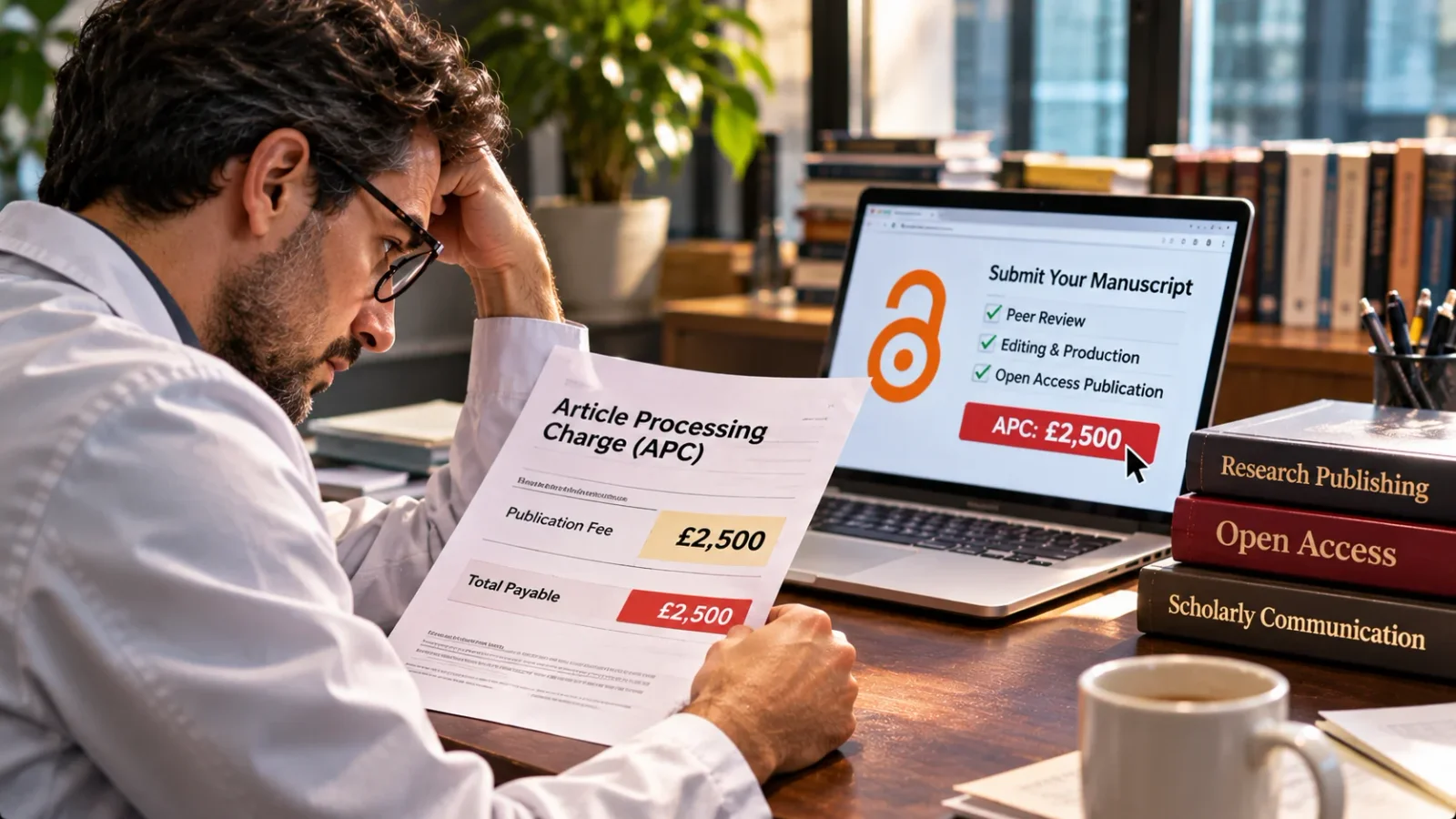
An author who has completed a grant-funded study may discover that making the final article openly available comes with a bill. For another researcher, a university agreement quietly covers the same charge. A third submits to a journal that asks for no author payment at all.
These different experiences help explain why the debate over paying to publish often produces more heat than clarity.
What an APC buys—and what it does not
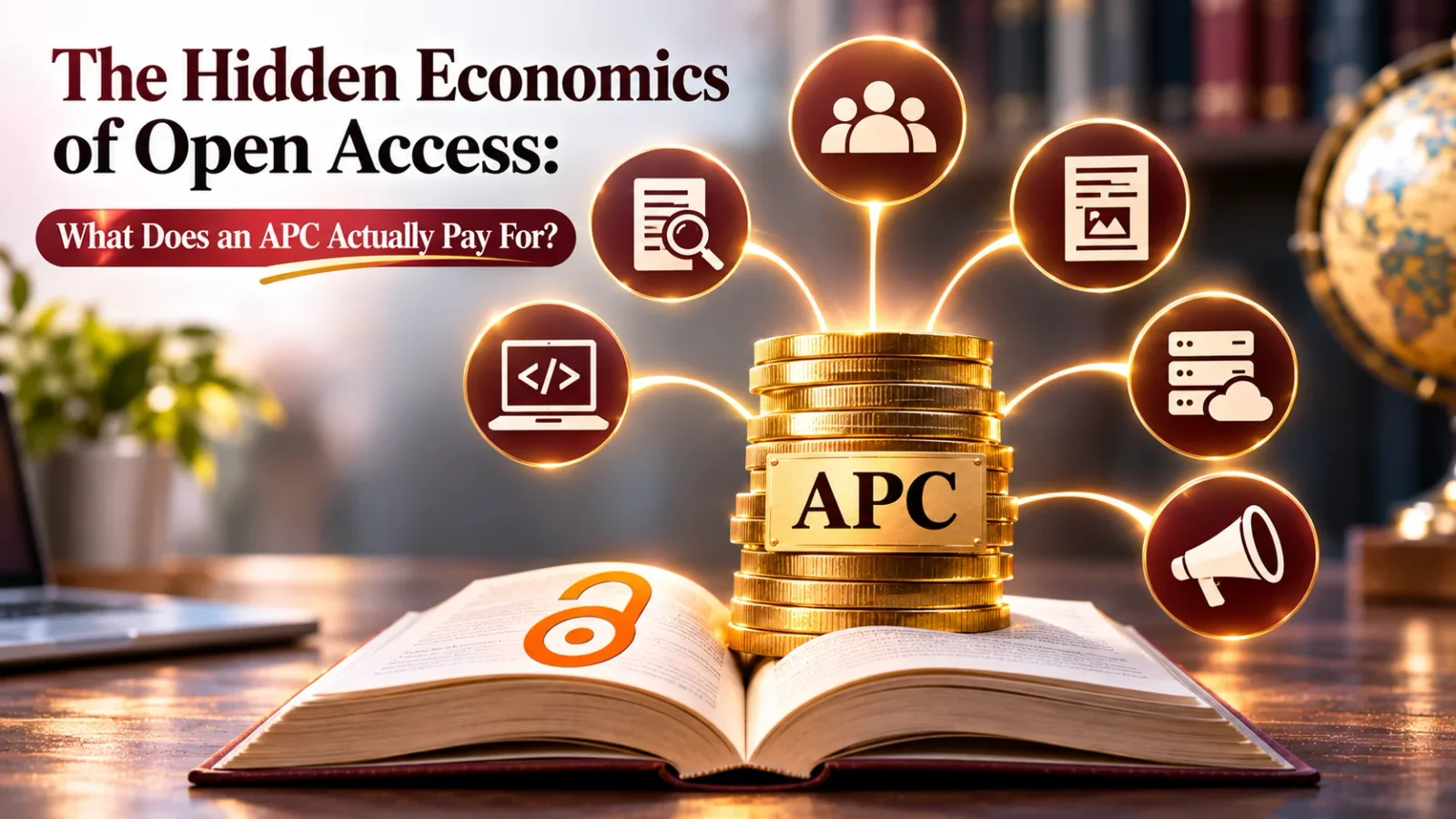
An article processing charge is one way to finance open-access publication. The fee may contribute to manuscript administration, editorial coordination, production, metadata, hosting, preservation and other journal operations. It is not a direct payment to peer reviewers in most conventional arrangements, and it is not a certificate that the paper is scientifically sound.
The amount charged reflects the publisher's pricing and service model. It cannot be reconstructed from the number of pages in a PDF. Branding, demand, institutional arrangements and the cost of operating a small or large portfolio can all influence the price.
Crucially, legitimate fees should not influence editorial decisions. The international transparency principles maintained by COPE, DOAJ, OASPA and WAME call for author charges, waivers and business practices to be clearly described and separated from acceptance decisions.
Why the burden falls unevenly
A researcher at a well-funded institution may have access to central open-access funds or a publishing agreement that covers fees. A scholar working without a grant may be asked to pay personally. That difference can shape where research gets submitted and whose work receives the greatest visibility.
Waiver policies can soften the problem, but authors should check eligibility in advance. Some waivers depend on country, institution or funding status; others require an application before submission. A vague promise that waivers are 'available' is not enough information for a researcher making a financial decision.
Open access does not always mean an author invoice
Diamond open access journals offer free reading and do not charge authors to publish. UNESCO describes the model as supported by shared infrastructure and other public-interest arrangements. Universities, scholarly societies, libraries and public programmes can all contribute resources.
A subscription journal may also offer different routes to open dissemination, including repository deposit subject to applicable rights and policies. Authors should check funder requirements and the journal's license terms rather than assuming that the most expensive route is the only compliant one.
Five questions to ask before submission
First, is the fee displayed clearly and is it charged only after acceptance? Second, are there extra page, colour, editing, tax or payment-processing charges? Third, what license will apply to the published article? Fourth, is the journal's indexing status being represented accurately? Fifth, is there a genuine editorial process independent of payment?
The answers are more useful than a marketing promise about fast publication. They also help authors compare like with like. A fee that includes professional production and long-term preservation is not automatically equivalent to one that covers a simple web upload.
The bigger funding decision
Universities and funders increasingly face a policy choice. They can support individual APC invoices, negotiate shared publishing arrangements, invest in institutionally managed journals or combine these approaches.
Each option has trade-offs. Direct fees can make costs visible but may disadvantage unfunded authors. Shared infrastructure can lower barriers but depends on durable institutional funding. There is no universally inexpensive model, because publishing requires real labour and accountable governance.
The most useful reform is therefore not to pretend that publication has no cost. It is to make the cost transparent, distribute it more fairly and ensure that the ability to pay never decides whether a research finding deserves publication.