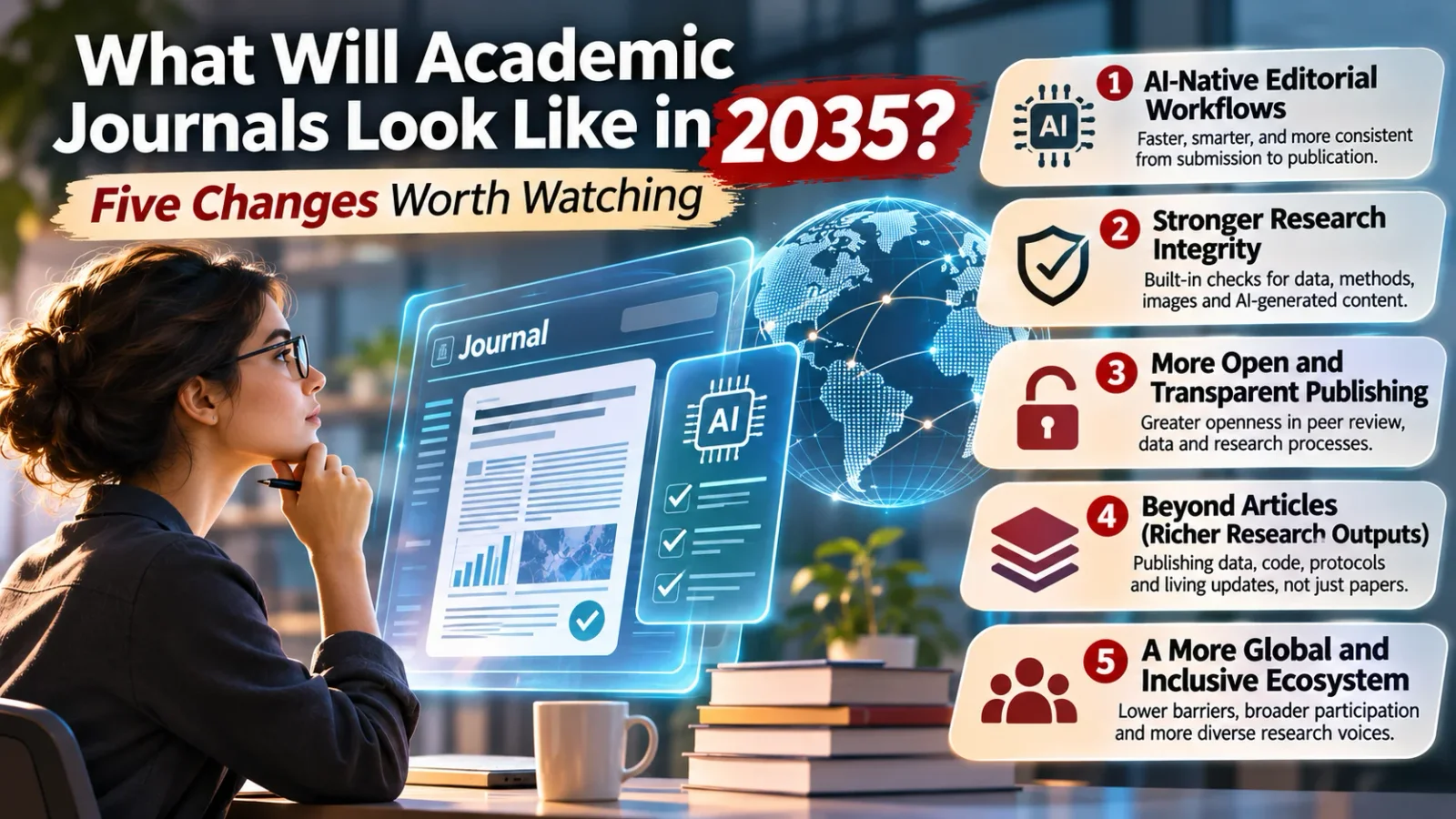
What Will Academic Journals Look Like in 2035? Five Changes Worth Watching
The PDF is unlikely to vanish overnight. Yet the systems surrounding it—review, data, discovery and payment—are already changing.

Independent news and analysis on research and scholarly publishing — from JCF Corp.
8 stories
The PDF is unlikely to vanish overnight. Yet the systems surrounding it—review, data, discovery and payment—are already changing.
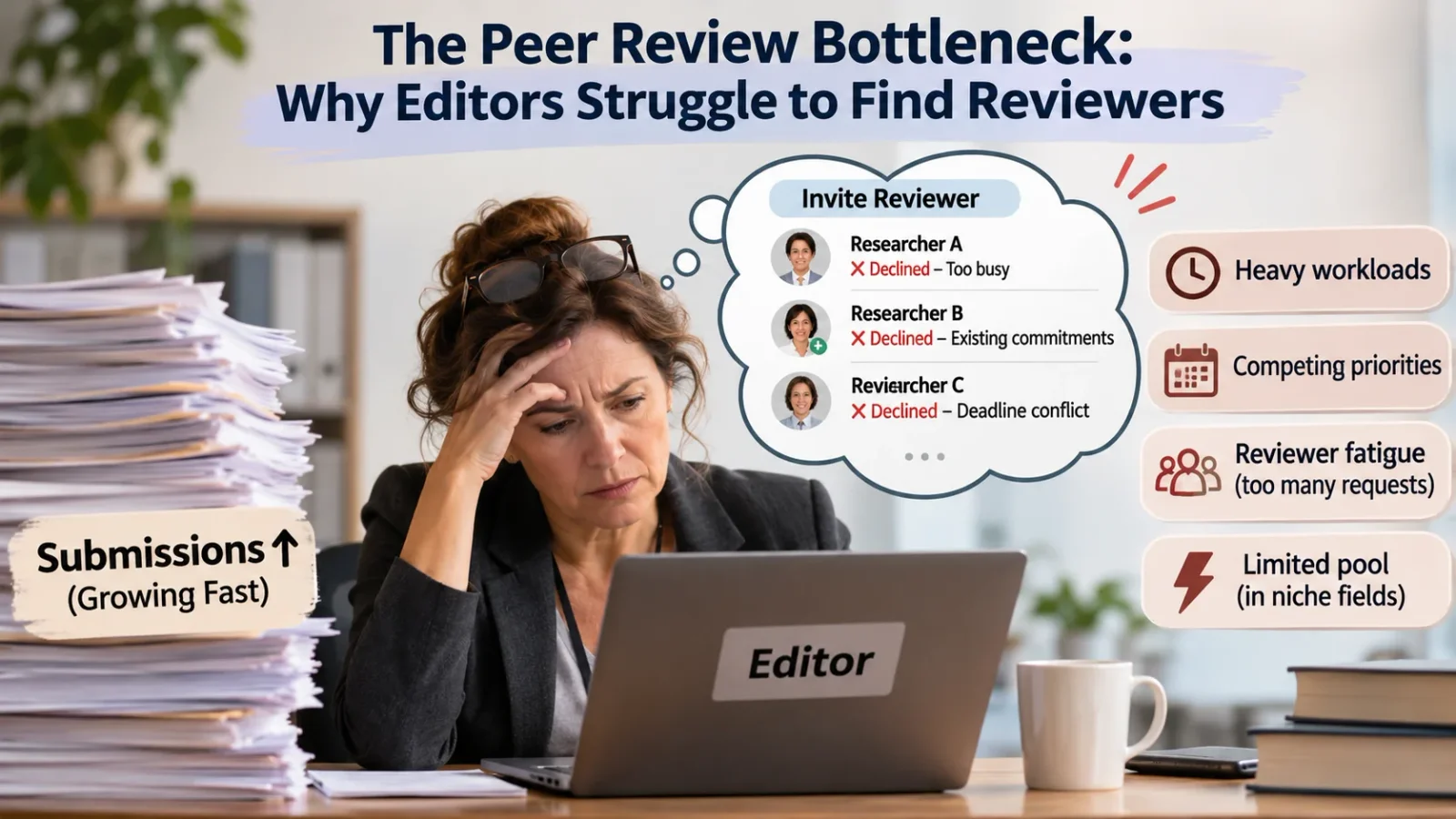
Researchers want timely decisions. Reviewers face overflowing requests. Editors sit between the two, trying to keep standards intact.
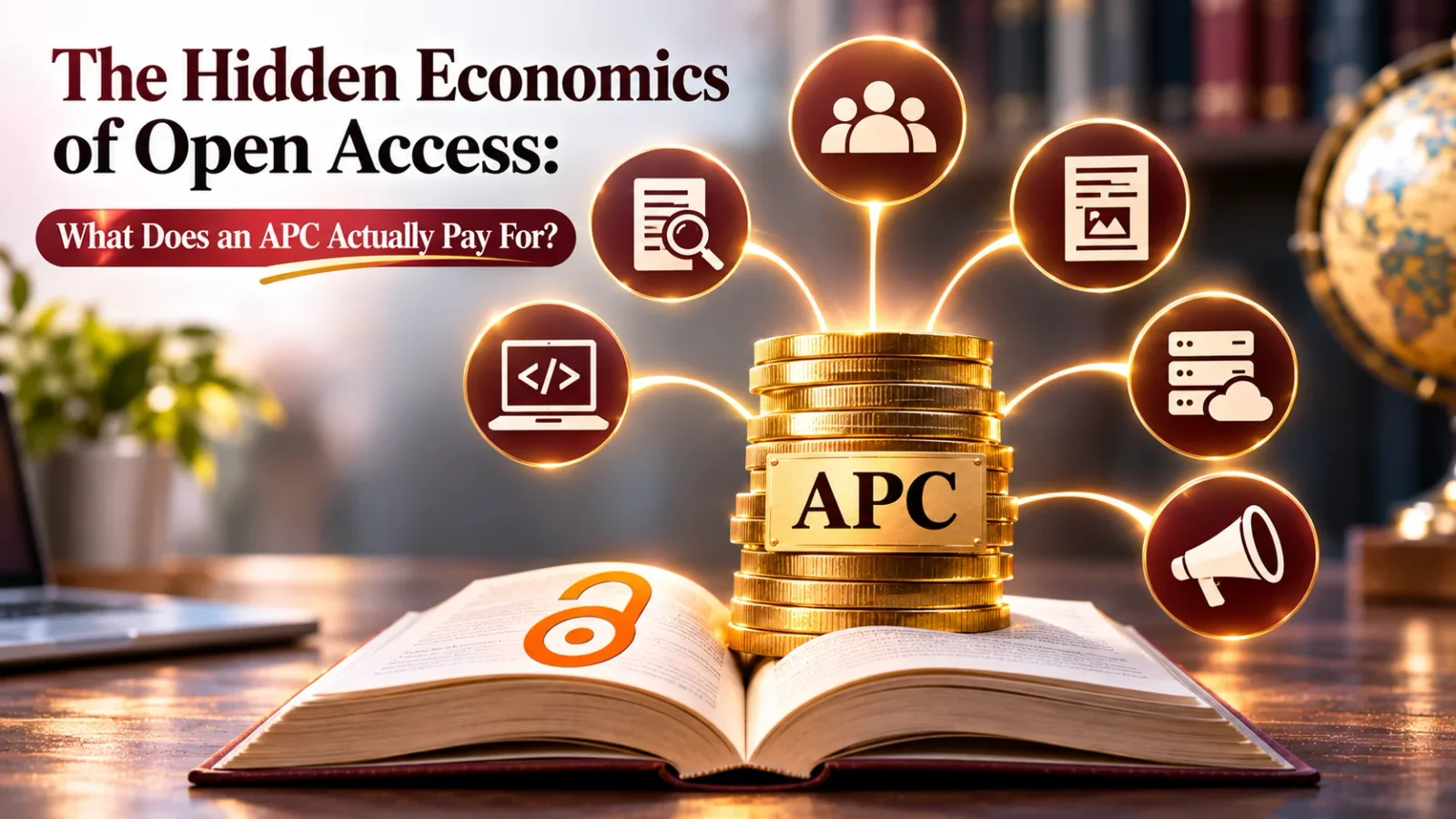
When neither readers nor authors receive an invoice, a journal still needs technology, editors and long-term funding.
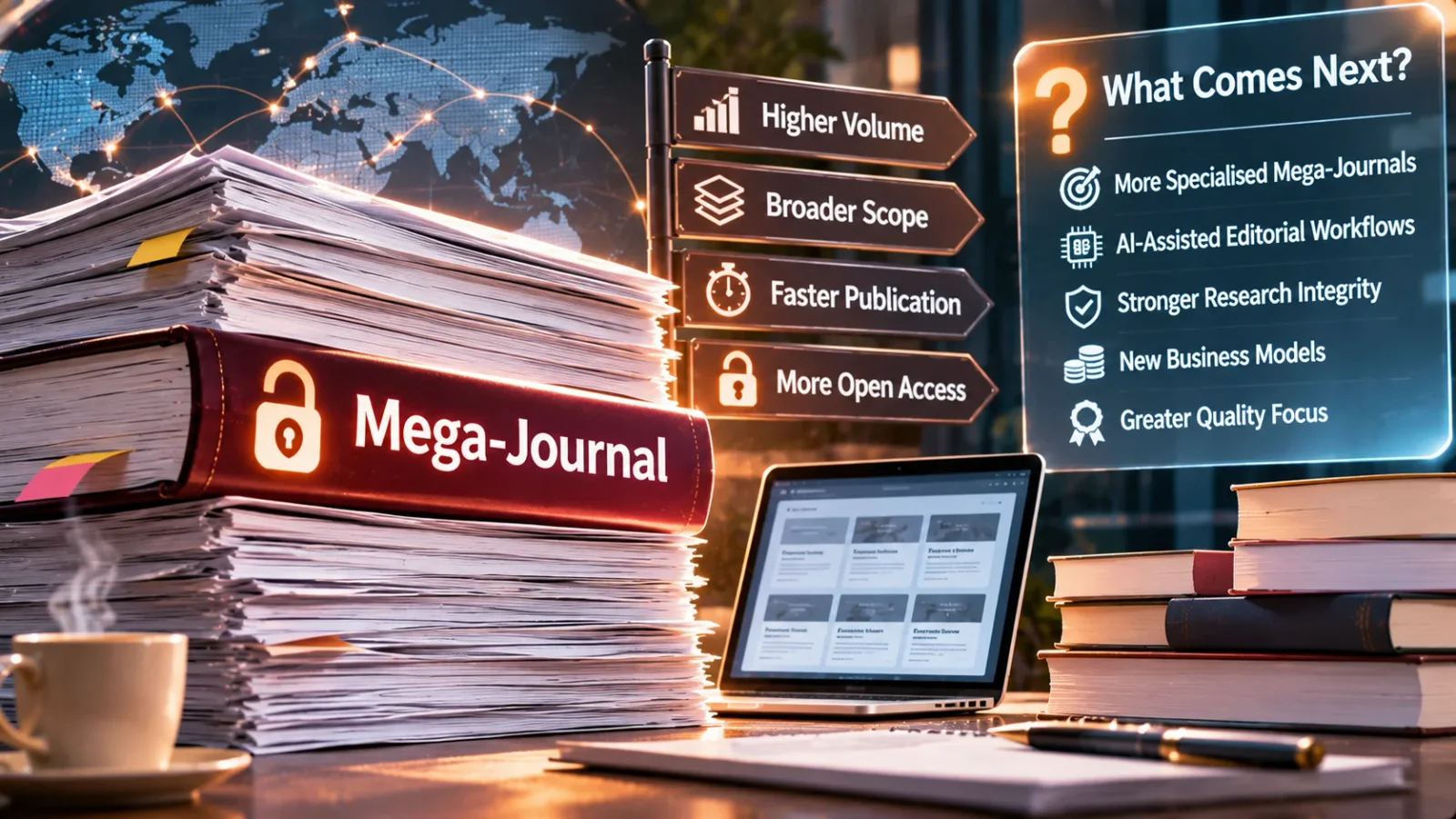
Broad-scope journals challenge the idea that every paper must be judged for headline-making novelty. Their real test is whether quality controls scale.
For authors under pressure to publish, the cost of communicating research can be as important as the research itself.
The invoice may show a single fee. Behind it sits a chain of editorial, technical and commercial decisions that varies from journal to journal.
A practical overview of editorial screening, peer review, revision, acceptance and production.
The format that defined digital scholarly publishing may increasingly become only one representation of a research article.