

Scientific articles have traditionally shown readers the final result of a long publishing process while revealing relatively little about what happened before publication. That model is gradually changing. Some journals now publish peer-review reports, author responses, data availability statements and detailed contributor information alongside articles. Researchers are also increasingly encouraged to provide persistent identifiers such as ORCID and links to underlying datasets. These developments reflect a broader movement toward research transparency. The scientific article of the future may therefore become more than a PDF containing the final manuscript. It could function as a structured research record connecting authors, reviews, datasets, corrections, versions and supporting evidence. For publishers, the challenge will be presenting this additional information without making research articles unnecessarily complicated for readers.
Independent news and analysis on research and scholarly publishing — from JCF Corp.
9 November 2026Staff-reported · Editorially independent
Research Publishing Moves Toward Greater Transparency
Journals are increasingly exposing information that once remained behind editorial systems.
Key points
- Research transparency is becoming more important
- Peer-review information can increasingly accompany articles
- ORCID and research identifiers improve attribution
- Data availability is becoming part of the publication record
- Future article pages may contain richer research histories
Reported by JCF Media, the editorial arm of JCF Labs. More Research coverage
Beyond this story
Explore More from JCF Media
Discover perspectives, analysis and developments across scholarly publishing.
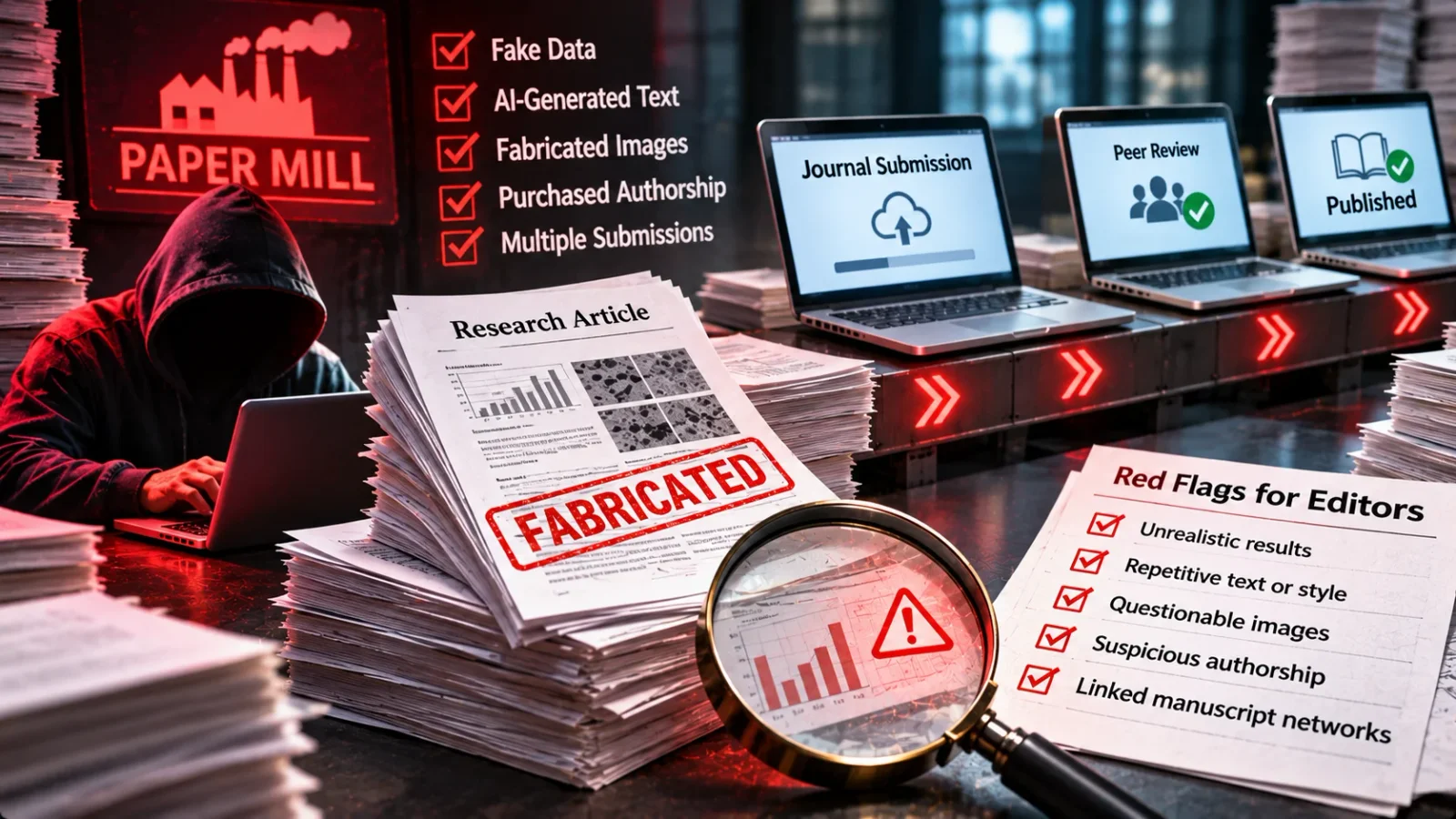 Research Integrity · Explainer
Inside the Paper Mill Problem: How Fabricated Research Reaches Journals
Suspicious manuscripts do not always arrive with obvious warning signs. Some are designed to look like ordinary submissions.
- Research Integrity · Explainer
Trust Should Be Designed Into Scholarly Publishing
Research integrity should not depend entirely on checks performed immediately before publication.
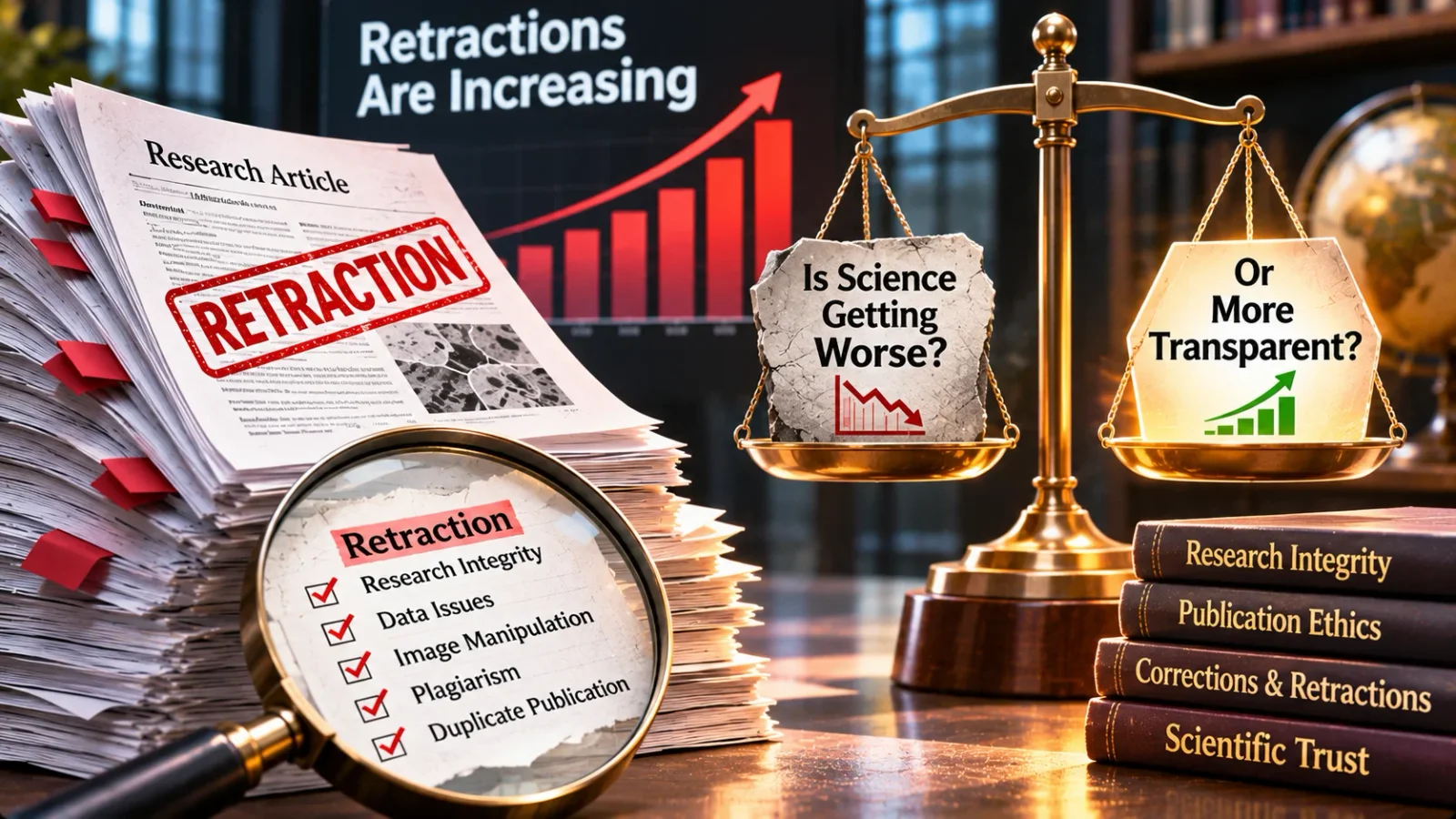 Research Integrity · Analysis
More Retractions: Is Science Getting Worse or More Transparent?
A retraction count is a warning sign, not a complete diagnosis of the scientific system. The reasons behind the numbers matter.